
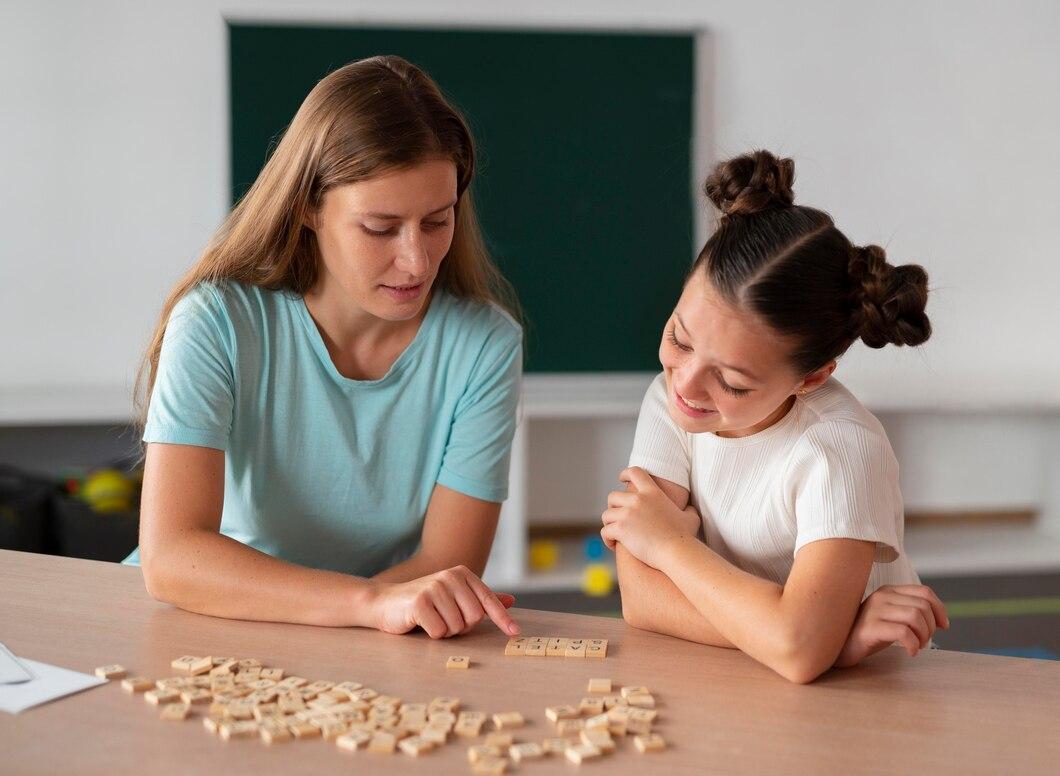
If a child struggles with reading, focusing, memory or behavior, a professional evaluation may be required. Parents also face a choice between school testing and a private neuropsychological assessment conducted by a specialist.
Neither assessment is the answer. They answer different questions about the same child, so the real task is deciding which questions need answering first.
Specialists often help families organize them, whether through school assessments or neuropsychological testing. In this post, we’ll compare them and explain which one fits your child.
Two Assessments With Two Different Jobs
School staff or educators conduct school testing to decide whether a child qualifies for special educational support. An expert will provide private testing to determine how a child thinks, feels, learns, and behaves.
Between them, the two assessments cover areas like:
- Doing math, reading, and writing
- Focusing during an ongoing class
- Memory and the speed of learning
- Both communication and language
- Emotions and behavior at school
A neuropsychological evaluation provides a strong basis for understanding why a child struggles. It also complements the assessment conducted at school rather than replacing it.
Key Differences Between School Testing and Private Evaluation
This section compares the purposes, scopes, and outcomes of each option, including when to choose each and how they work together.
What Each Assessment Is Meant to Decide
School testing determines whether a child qualifies for special education services. A recent CRS report highlights 7.9 million children aged 3 to 21 who received them in their school year under federal law.
What assessments aim to answer:
- Will my child qualify for better support?
- Why is learning such a challenge?
- Which type of support matches your child?
- What are the key strengths we can work on?
An entire team at school asks whether or not your child qualifies and what the classroom typically requires. A pediatric neuropsychologist asks what’s causing the struggle and what else is going on with your child. Such differences can shape almost everything that follows, from the questions asked to the type of report you receive.
How Far Each Test Goes
School testing assesses skills connected to classroom learning. A private assessment adds more by assessing processing speed, indicating how quickly the brain can process information and executive functioning, which includes organizing, planning, and self-control.
What a private assessment adds:
- How a child would learn or remember
- Processing speed and thinking speed
- Planning, self-control, and organizing
- Emotional wellness and behavior
A neuropsychologist connects all these outcomes to what happens at home and in class, including unfinished homework or any sudden meltdowns. Mixed-up scores provide parents with a clear description they can act on.
What You Walk Away With
School testing ends with eligibility decisions and, if the child qualifies, a school support plan. A private assessment ends with a documented report that covers core strengths, challenges, and suggestions.
What each parent will typically receive:
- A determination of eligibility and a school support plan will be made
- Incorporation of the written report in reference to test scores
- We hope our ideas for home and school have been useful
- Referrals for further assistance, if needed
No evaluation ensures an accurate diagnosis. The clinician searches for patterns across scores and discusses them with the parents, who may then seek advice from the school or other specialists.
Choosing Between the Two
A child who often struggles with reading tasks might need school testing first to learn what support the school would offer. Private testing looks into deeper issues, including memory, language or processing problems.
Here are some common situations worth understanding:
- School testing whenever queries about classroom assistance arise
- Private testing whenever the cause remains unclear
- Both when the concerns shift past schoolwork
- Waiting and watching whenever concerns are simpler
Consult the school and neuropsychologist before deciding. None of the children require each testing type, and the option follows your typical child’s requirements instead of pressure from anyone else. Your child’s teacher and pediatrician share what they found during the initial assessment, which helps you decide.
Using Both Reports Together
School teams are familiar with classroom and daily routines. A specialist can discuss the thinking patterns behind the difficulties he encounters, and each report can fill in the gaps.
Here’s how each report combines:
- Offering individual feedback to the school
- Drawing on school information to inform each question
- Matching each discovery with the other, one by one
- Inspecting each support plan as it changes
Once you approve, a neuropsychologist will speak directly with your child’s teachers. This aids the school in establishing the appropriate strategies to support a child’s difficulties in the classroom and at home.
Choosing the Right Next Step
Ask the school directly about the testing they provide, how long it takes, and if they offer anything for your child. Next, ask a neuropsychologist what they think a private evaluation can help the school testing competency address. Together, those two answers will indicate if your child should take one test or two, and in what order. Make notes about this in the meantime, for example, when the difficulties occur and what seems to help most.