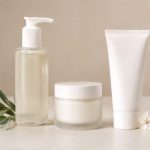


Building a reliable skincare routine in Germany does not require an overflowing cabinet or a new product every week. Between cold, dry indoor heating seasons, rainy days, summer travel, and daily city life, skin can need different levels of comfort throughout the year. Exploring German beauty brands can be a useful starting point, but the best routine begins with understanding what your own skin needs.
A simple approach is easier to follow, easier to adjust, and less likely to leave you wondering which product caused a reaction. The three basic steps of cleansing, moisturizing, and protecting the skin provide a sensible foundation before adding treatments for concerns such as blemishes, dryness, or uneven skin tone.
Table of Contents
- Why Simple Routines Work
- Identify Your Skin’s Main Needs
- Build a Basic Morning Routine
- Create a Simple Night Routine
- Choose Products by Skin Type
- Add Targeted Treatments Carefully
- Avoid Common Skincare Mistakes
- Track Progress Without Guessing
- Know When to Speak With a Dermatologist
Why Simple Routines Work
More products do not automatically produce better results. A short routine makes daily care more manageable, especially during busy mornings or late evenings. It also gives skin time to settle. If irritation appears after introducing several new products at once, it can be difficult to identify the cause.
Think of skincare as a practical sequence: cleanse when needed, use a treatment with a clear purpose, moisturize for comfort, and protect exposed skin from the sun. This structure works whether you prefer a minimalist routine or enjoy trying a carefully chosen product from a German pharmacy, boutique, or online retailer.
Identify Your Skin’s Main Needs
Skin type describes broad tendencies, while skin concerns describe what is happening right now. A person with oily skin may still experience dehydration, and someone with dry skin may occasionally have clogged pores. Look for patterns rather than assuming one label explains everything.
- Dryness: Tightness, flaking, rough areas, or discomfort after cleansing.
- Oiliness: Noticeable shine or congestion, often around the forehead, nose, and chin.
- Combination skin: Oilier areas alongside dry or normal-feeling cheeks.
- Sensitivity: Stinging, burning, redness, or frequent reactions to products.
- Uneven-looking tone: Lingering dark marks, dullness, or areas that appear less even.
- Texture: Roughness, small bumps, or a loss of smoothness.
Weather, stress, hormones, medication, and changes in indoor humidity can all affect how skin feels. Reassess your routine when the seasons change rather than forcing the same products to work year-round.
Build a Basic Morning Routine
- Cleanse or rinse: Use a gentle cleanser if your skin feels oily or has leftover product. Some dry or sensitive skin types may prefer a water rinse.
- Apply one optional treatment: Choose a hydrating or tone-supporting product only if it addresses a clear need.
- Moisturize: Pick a texture that feels comfortable, from a light lotion to a richer cream.
- Apply sunscreen: Finish with broad-spectrum sun protection on exposed skin.
Sun protection belongs in a routine beyond beach days. The FDA explains that broad-spectrum sunscreen protects against UVA and UVB radiation, and product directions should guide application and reapplication. This matters for walks, cycling, outdoor markets, commuting, and extended time outdoors.
Create a Simple Night Routine
Evening care should remove the day without turning into an exhausting project. Start by removing makeup or water-resistant sunscreen if necessary, then cleanse with lukewarm water. Apply one targeted treatment if your skin tolerates it, and finish with moisturizer.
Double cleansing is optional, not a requirement. It can be useful after heavy makeup or water-resistant sunscreen, but many people do well with a single gentle cleanse on ordinary days. The goal is clean, comfortable skin, not a tight or squeaky feeling.
Choose Products by Skin Type
For Dry Skin
- Choose cream, lotion, or balm textures that feel protective and comfortable.
- Apply moisturizer while skin is slightly damp.
- Avoid very hot water and aggressive scrubbing.
For Oily or Combination Skin
- Consider lightweight gel or lotion moisturizers.
- Do not skip moisturizer simply because skin looks shiny.
- Use gentle cleansing instead of repeatedly washing the face.
- When clogged pores are a concern, look for products labeled non-comedogenic.
For Sensitive Skin
- Start with gentle, fragrance-free formulas when possible.
- Add one new product at a time.
- Pause a product if it causes ongoing burning, itching, or redness.
Add Targeted Treatments Carefully
Once the basics feel stable, add a treatment only when it has a specific job. A richer moisturizer may help with dryness. Limited, gentle exfoliation may suit rough texture. A blemish treatment can be useful for occasional breakouts. For visible signs of aging, daily sun protection and consistent moisturizing remain worthwhile priorities.
Introduce one active product at a time and use it as directed. Give your skin time to adjust before adding another product, particularly if you are using exfoliating ingredients or treatments designed for acne or uneven tone.
Avoid Common Skincare Mistakes
- Changing every product at once and losing track of what works.
- Using several exfoliating products in the same routine.
- Skipping moisturizer because skin is oily.
- Washing with very hot water.
- Copying someone else’s routine without considering your own skin.
- Expecting visible change after a single use.
- Ignoring persistent discomfort.
Track Progress Without Guessing
Keep the rest of your routine steady when testing something new. Take a photo in similar lighting every few weeks, note the date a product was added, and record changes in dryness, shine, breakouts, redness, or texture. This simple record is more useful than judging a product after one morning.
Know When to Speak With a Dermatologist
Skincare can support everyday comfort, but it cannot replace medical care. Seek professional advice for painful or widespread acne, scarring, sudden rashes, swelling, intense itching, recurring cracking or burning, or new and changing skin spots. A routine should make skin feel more manageable, not leave you in ongoing discomfort.
Final Thoughts
A practical skincare routine for Germany is not about owning the most products. It is about choosing a manageable foundation, responding to changing conditions, and making gradual adjustments based on how your skin behaves. Keep the routine gentle, protect exposed skin daily, and let consistency do more of the work.