
Preparing a home for cold weather is easier when it happens before the first hard freeze. Whether you use a furnace, boiler, heat pump, fireplace, or COD fuel, a simple readiness plan can help you spot problems early, stay comfortable, and make safer decisions if temperatures drop suddenly.
Why Winter Preparation Matters
Heating systems can reveal problems when they return to regular use after a mild season. A dirty filter, a blocked vent, a failing thermostat, a loose connection, or a fuel-delivery issue may seem minor at first. Still, it can become much more inconvenient during freezing weather. Checking your home early gives you time to arrange service without making rushed decisions during a storm or cold spell.
Preparation is also about comfort and safety. A system that starts normally, reaches the intended temperature, and delivers heat throughout the home is easier to monitor. Just as importantly, a household that knows where its alarms, fuel information, service contacts, and temporary heating supplies are located can respond more calmly to an unexpected outage.
Start With a Home Heating Check
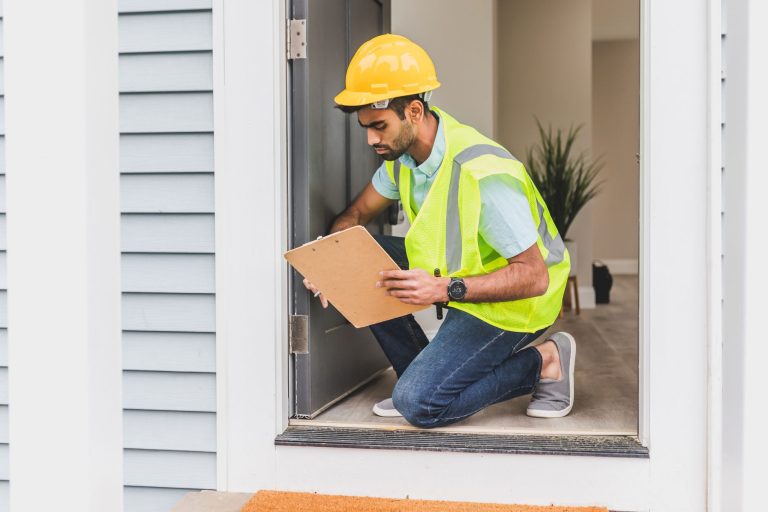
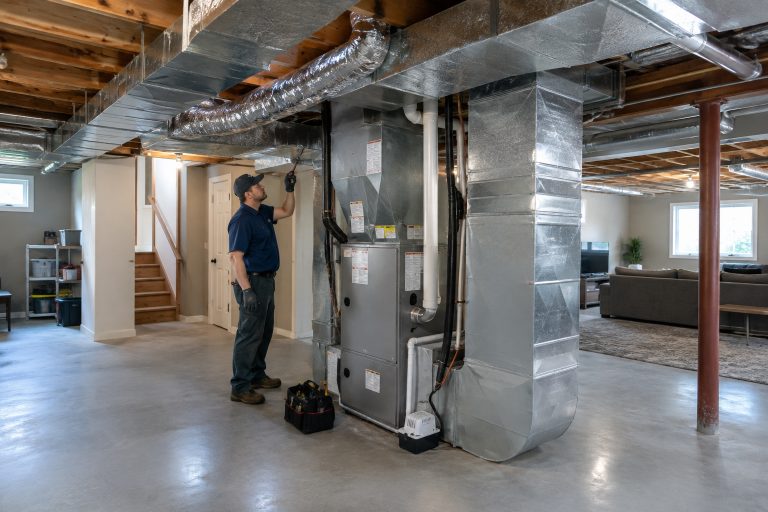
Begin with a basic visual and performance check that does not require opening equipment panels or handling fuel, electrical, or combustion components. Set the thermostat to heat and confirm that the system starts and runs normally. Walk through the home and notice whether each regularly used room receives heat as expected.
- Listen for repeated clicking, grinding, banging, rattling, or other unusual sounds.
- Make sure supply vents and return grilles are open and not covered by furniture, rugs, or curtains.
- Check for visible rust, soot, water leaks, damaged wiring, or loose vent connections.
- Replace a dirty air filter with the correct size and type for your equipment.
- Look outside for blocked intake or exhaust openings, where applicable.
Stop the inspection and contact a qualified technician if you smell fuel, see smoke or soot, notice damaged wiring, observe an unusual burner flame, or hear a carbon monoxide alarm. These are not do-it-yourself troubleshooting situations.
Know When to Schedule Professional Service
Fuel-burning heating equipment should receive professional attention before or during the heating season, in accordance with the manufacturer’s recommendations. A qualified technician can inspect components that cannot be safely evaluated during a homeowner check, including combustion-related parts, controls, venting, flues, chimneys, and connections.
The annual inspection of fuel-burning heating systems is especially important because poorly maintained or improperly vented equipment can create fire and carbon monoxide risks. Scheduling before the busiest part of winter may also provide more flexibility if repairs are needed.
Plan Fuel and Energy Use Early
Homes that rely on delivered fuel benefit from planning before supplies become low. Keep your provider’s contact information, account details, delivery schedule, and payment options in one easy-to-find place. Ask about minimum delivery quantities, estimated lead times, and procedures during severe weather.
It is also useful to track how quickly your household uses fuel during colder periods. Usage can change with outdoor temperatures, occupancy, thermostat settings, insulation quality, and equipment condition. Never store fuel in unapproved containers or locations, and follow local requirements and supplier guidance for safe storage.
Reduce Heat Loss Around the Home
A heating system cannot fully solve comfort problems caused by drafts and insufficient insulation. Small improvements around the house can reduce cold spots and help heated air stay where it belongs. Start with areas you can inspect safely, then consider professional advice for larger insulation or air-sealing projects.
- Inspect weatherstripping around exterior doors and replace worn sections.
- Check windows for noticeable drafts and use appropriate caulk, film, or weather sealing where needed.
- Open curtains on sunny, south-facing windows during the day when practical, then close curtains at night.
- Seal visible gaps around utility penetrations for pipes and wires.
- Check attic, basement, crawl space, and duct insulation for obvious weak spots.
The Department of Energy notes that cleaning or replacing furnace and heat-pump filters, sealing major air leaks, and reviewing insulation are practical parts of a home energy routine. Keep furnishings clear of registers so conditioned air can circulate through each room.
Follow a Winter Heating Safety Checklist
Carbon Monoxide Protection
- Install carbon monoxide alarms on every level of the home and outside sleeping areas.
- Test alarms as directed by the manufacturer and replace batteries or units when required.
- Leave the home and call emergency services if an alarm sounds and you suspect carbon monoxide exposure.
- Do not re-enter until emergency responders or qualified professionals say it is safe.
Space Heater Safety
- Keep portable heaters at least three feet from bedding, curtains, furniture, and other combustible materials.
- Plug electric heaters directly into a wall outlet, not an extension cord or power strip.
- Turn heaters off before sleeping or leaving the room.
- Do not use heaters with damaged cords, plugs, guards, or controls.
Fireplace and Chimney Safety
- Have chimneys and flues checked before regular use.
- Keep paper, fabric, decorations, and other flammable items away from the fireplace opening.
- Use a suitable fireplace screen, and place cooled ashes in a covered metal container away from the home.
Create a Heating Emergency Plan
If the heat stops working during severe weather, begin with safe basics. Check the thermostat setting, power supply, and accessible breaker panel without opening equipment panels. Confirm whether fuel is available, then contact a qualified service provider. Protect household members, pets, and exposed plumbing while waiting for help. Use only approved temporary heaters according to their instructions, and never use a generator, grill, oven, or other combustion appliance as an indoor heat source.
Common Home Heating Questions
When should a heating system be checked?
Arrange service before the daily heating demand begins whenever possible. Early fall is often convenient, but equipment type, climate, and manufacturer instructions should guide the schedule.
How often should an air filter be replaced?
Follow the filter and equipment manufacturer’s instructions. Replacement timing can vary based on filter type, pets, dust, household activity, and how often the system runs.
Why is one room colder than the others?
Common causes include blocked vents, air leaks, insufficient insulation, ductwork imbalance, thermostat location, or a system issue requiring professional diagnosis.
Final Thoughts
Winter readiness is a series of manageable steps rather than one large project. Test the system, schedule needed service, reduce drafts, maintain alarms, and prepare for an interruption before cold weather becomes severe. Those actions can help make the season safer, more comfortable, and easier to manage.