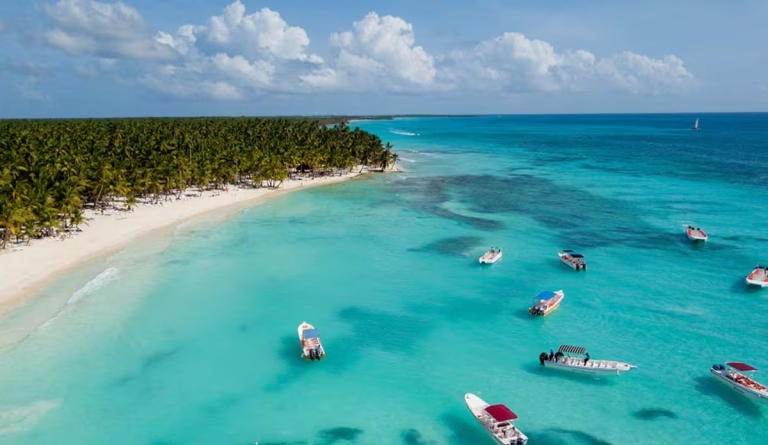

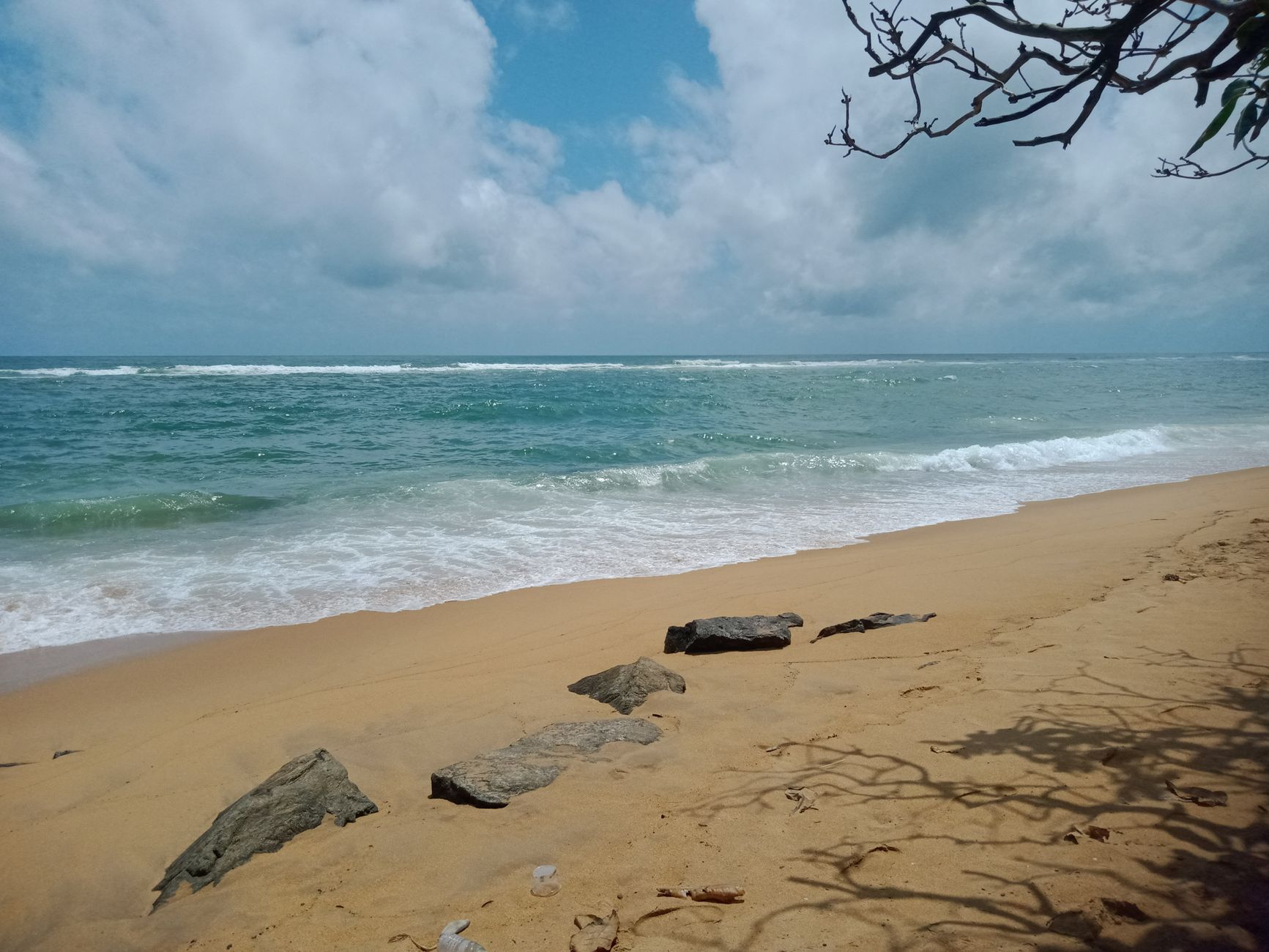
The Indian Ocean is often imagined through a familiar collection of images: pale sand, palms, coral water and quiet mornings beside the sea. Yet its coastlines are far more varied than the postcard suggests. In some places, tropical forest reaches almost to the beach. Elsewhere, enormous granite formations rise from the sand, volcanic mountains dominate the horizon or mangroves separate land from open water. These landscapes offer a different kind of tropical escape, particularly for travellers who want nature beyond the boundaries of a beach. These five places show five distinct sides of the Indian Ocean, ranging from wildlife-rich shores to volcanic terrain. The pleasure lies in discovering how differently sea and land can meet within the same part of the world.
Madagascar
Madagascar brings an unusual biological dimension to an Indian Ocean journey. Its long geographical isolation contributed to the evolution of plants and animals found nowhere else, giving even a coastal holiday a strong connection with nature.
Around Nosy Be in the northwest, beaches provide access to an archipelago of smaller islands, coral environments and forest. A day beside the water can therefore alternate with snorkelling or a visit to protected landscapes where lemurs and chameleons become part of the experience.
For travellers who want an easy coastal base while keeping nature within reach, staying at a Madagascar beach resort can provide that balance. The important point is to leave enough space in the itinerary to experience both the shoreline and the ecosystems beyond it.
Zanzibar
Zanzibar creates a completely different relationship with the ocean.
Along sections of the eastern coast, tides can transform the appearance of the shore during the course of a single day. Water retreats across shallow coastal areas and later returns, changing where and when swimming is possible.
This movement gives the coast its own timetable. Instead of expecting the beach to remain unchanged from breakfast until sunset, visitors gradually begin to notice the rhythm of the water.
The island also offers more than its shoreline. Stone Town introduces the architectural and cultural legacy of centuries of Indian Ocean trade, while inland areas reveal spice cultivation and tropical vegetation.
Zanzibar works particularly well when these experiences are allowed to coexist. Beach days feel more rewarding after time spent exploring elsewhere, while returning to the ocean provides a natural pause between excursions.
Seychelles
The Seychelles provide some of the Indian Ocean's most distinctive coastal scenery.
On islands such as Mahé, Praslin and La Digue, huge granite formations interrupt beaches that might otherwise resemble the conventional tropical ideal. The rocks create coves, frame the water and give each stretch of coast a recognisable physical character.
Vegetation adds another layer. Forested interiors rise behind the shore, meaning that a relatively short journey can move from sea level into dense greenery.
This is particularly appealing to travellers who enjoy exploring slowly. Cycling on La Digue, walking through forest or moving between smaller beaches can occupy a day without creating the feeling of a formal sightseeing itinerary.
The landscape itself supplies the activity.
Mauritius
Mauritius demonstrates that a tropical coastline can be dramatic even when the sea is calm.
Much of the island is associated with lagoons and coral reefs, but the interior introduces volcanic peaks, waterfalls, cultivated land and forest. In the southwest, the silhouette of Le Morne Brabant rises close to the ocean, producing one of the island's defining landscapes.
That proximity between mountains and water expands the possibilities of a coastal holiday.
A morning can begin beside the lagoon and continue inland through landscapes that bear little resemblance to the beach left behind. Hiking, botanical gardens and cultural sites offer alternatives when several consecutive days of swimming begin to feel repetitive.
Mauritius is therefore particularly suitable for travellers who want tropical comfort but also appreciate having a substantial island to explore.
Réunion
Réunion shifts the emphasis even further away from the conventional beach escape.
This French island east of Madagascar is volcanic and mountainous, with an interior shaped by dramatic cirques, steep ridges and active geological processes. Piton de la Fournaise remains one of its defining natural features, while the island's volcanic landscapes form part of a UNESCO World Heritage area.
The coast still matters, but it is only one element of the journey.
Réunion suits travellers who prefer hiking boots to spending an entire week barefoot. Roads climb rapidly away from the ocean, and walking routes lead through terrain that can feel surprisingly remote given the island's relatively compact dimensions.
A few quiet hours beside the water become more satisfying after a demanding day in the interior.
Which coastline is best for wildlife and nature?
That depends on what kind of nature matters most.
Madagascar has an exceptional reputation for endemic terrestrial wildlife, making it particularly interesting for travellers who want forests and unusual species alongside coastal scenery. The Seychelles combine marine environments with distinctive island ecosystems, while Réunion stands out for geology and mountain landscapes.
Zanzibar offers another form of variety through reefs, tropical vegetation and the strong tidal character of parts of its coastline. Mauritius provides perhaps the broadest balance between lagoons, mountains and easily accessible inland attractions.
The choice should therefore begin with the landscape rather than the hotel. Decide whether the ideal day involves snorkelling, hiking, wildlife observation, cycling or simply walking along a beach before choosing the island.
How much exploration belongs in a tropical escape?
There is no reason to turn a relaxing journey into an expedition simply because nature is nearby.
One substantial excursion every second day is often enough. This creates a useful alternation between discovery and stillness: forest followed by beach, hiking followed by swimming, or a boat journey followed by an afternoon with no schedule.
The contrast is important.
A beautiful beach can lose some of its impact when every day follows exactly the same pattern. Returning to it after exploring a volcanic landscape or tropical forest makes the familiar view feel different.
Rest and exploration can strengthen one another when neither dominates the journey.
What should you consider before choosing an Indian Ocean island?
Season is an essential starting point because weather patterns differ considerably across the region. Rainfall, humidity, wind and sea conditions can influence the experience as much as temperature.
The size of the island also matters. Smaller islands can encourage an immediate sense of escape, while larger ones provide more variety for travellers who enjoy road trips and inland exploration.
Finally, consider how much movement the holiday should involve. Some destinations reward changing location; others are better experienced from one comfortable base.
These practical decisions determine whether the journey feels effortless or unnecessarily complicated.
Why choose a wilder Indian Ocean coastline?
The appeal is not the absence of comfort. It is the presence of something beyond it.
A memorable tropical morning might begin with calm water and breakfast outdoors, then lead towards forest, volcanic rock, a mountain trail or a coastline transformed by the tide. By evening, the beach becomes a place to return to rather than the only reason for travelling.
Across Madagascar, Zanzibar, the Seychelles, Mauritius and Réunion, the Indian Ocean creates very different landscapes from the same fundamental ingredients of land, water and tropical climate.
That diversity is what makes the region so rewarding. The ideal escape does not have to choose between a beautiful beach and a sense of discovery. Along the Indian Ocean's more distinctive shores, both can belong to the same journey.