

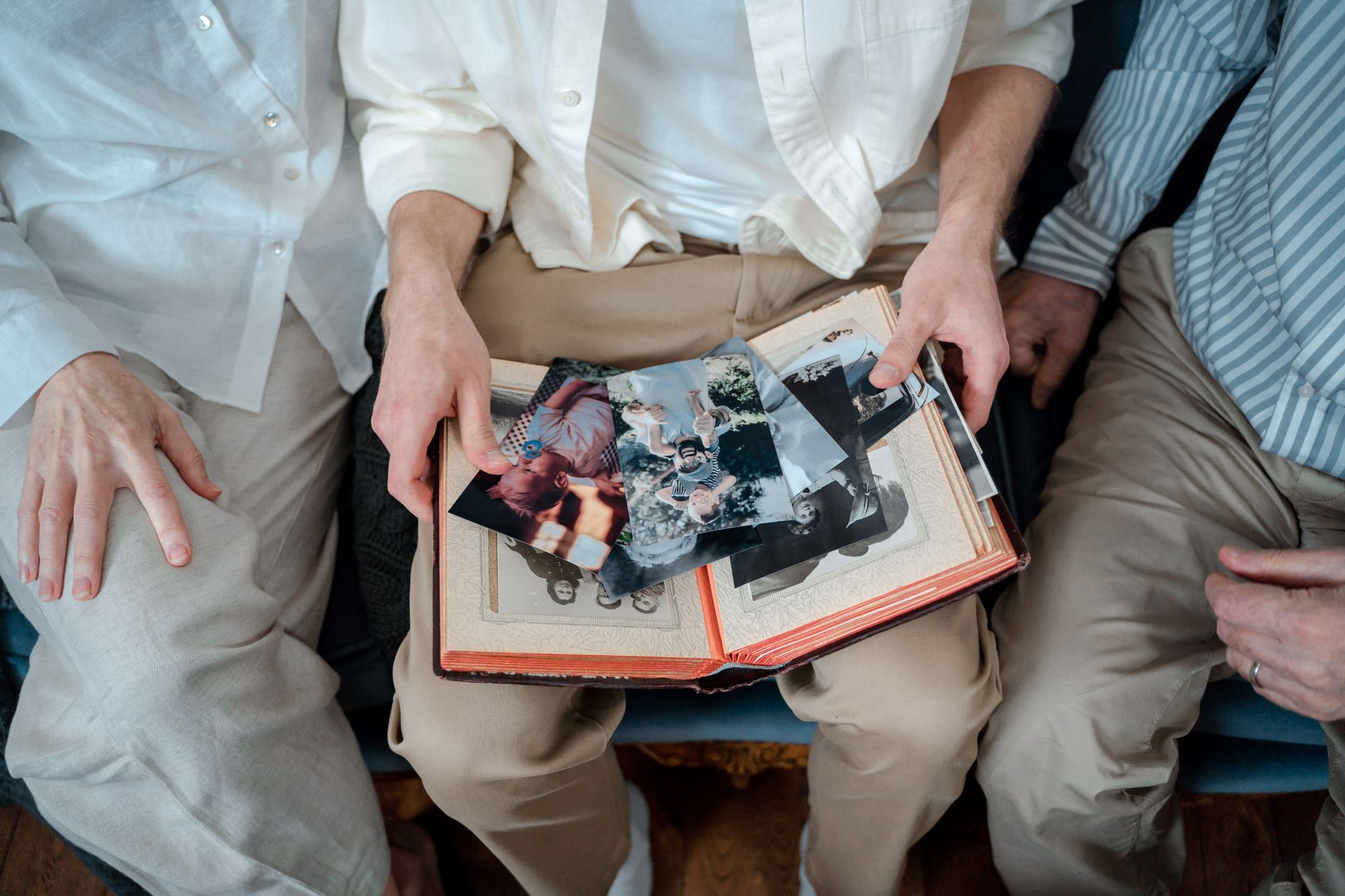
Ask a room full of people to describe a late grandparent and watch what happens. Nobody opens with the bank balance. Somebody mentions the cardigan. Somebody else does the impression, complete with the way he said “well, now” right before every bad decision. Money gets about ten seconds, usually from whoever drew the short straw. The rest of the evening belongs to stories. That tells you where the value sits, and it is not in the brokerage account. Plenty of families still chase the wrong thing. They wear themselves out doing it, and the cardigan ends up at a thrift store anyway.
What Actually Gets Kept
Walk through any house after a funeral. The good china stays in the cabinet. The cookbook with the butter stains goes first. So do the broken watch and the ugly mug. The toolbox, with its labels in cramped handwriting, goes to whoever arrives early. Ask any of the estate planning attorneys who sit through these family meetings, and they will say the fights rarely involve the house. They involve the toolbox. Objects win because they carry a person inside them. Habits work the same way. Honesty gets handed down. So does a stubborn streak. Neither needs a ceremony. The only real question is whether anyone does it on purpose.
Doing it on purpose takes less effort than most people expect. Write a letter. Record a voice memo while the sauce simmers. Tell the road trip story, the one where nobody would stop for directions. Label the old photos before the names leave with the people who knew them. The kids will groan now. Later they will repeat the story at dinner, word for word, and claim the punchline.
The Paperwork Nobody Wants
Now for the dull part. Good intentions have no legal standing. A wish that lives only in your head dies with you, and courts do not read minds. Wills, trusts, beneficiary forms, and powers of attorney all need to exist on paper. They need a signature that holds up and a location people can find. Lawyers in this field see the fallout every week. They have watched siblings feud over a lamp. They have watched that feud run six years and cost more than the lamp and the house combined.
An unclear plan does not stay private. It lands on the people left behind, usually at the worst moment, when they should be grieving and are instead hunting for a password. Spelling things out is not cold. It is a courtesy, and a cheap one next to the alternative.
A plan also goes stale. Marriages end, children arrive, and a will from 1998 still names a brother-in-law nobody speaks to. Check the documents every few years. Put a reminder in the calendar, right beside the dentist.
Start Before the End
Legacy does not wait for the reading of the will. The good ones build slowly, over decades, through small and boring acts. Show up at the food bank. Mentor a kid who needs a push and sometimes a ride. Coach the Little League team that never wins. Teach the neighbor to grow tomatoes, then sit through the awkward silence when yours come in bigger.
Say it out loud, too. Plenty of people assume the family already knows what they want and why. The family usually does not. A short talk at the kitchen table beats a long letter found in a drawer eight months late.
Giving to a cause counts, even in small amounts. Larger gifts need more structure. That conversation belongs with a qualified attorney and a decent accountant, preferably before the check gets written.
The Short Version
People rarely remember net worth. They remember who showed up and who told the truth. Money helps. Stories and habits do the real work. Spend one afternoon on the paperwork, then spend the rest of the year on the people. The lamp can sort itself out.