
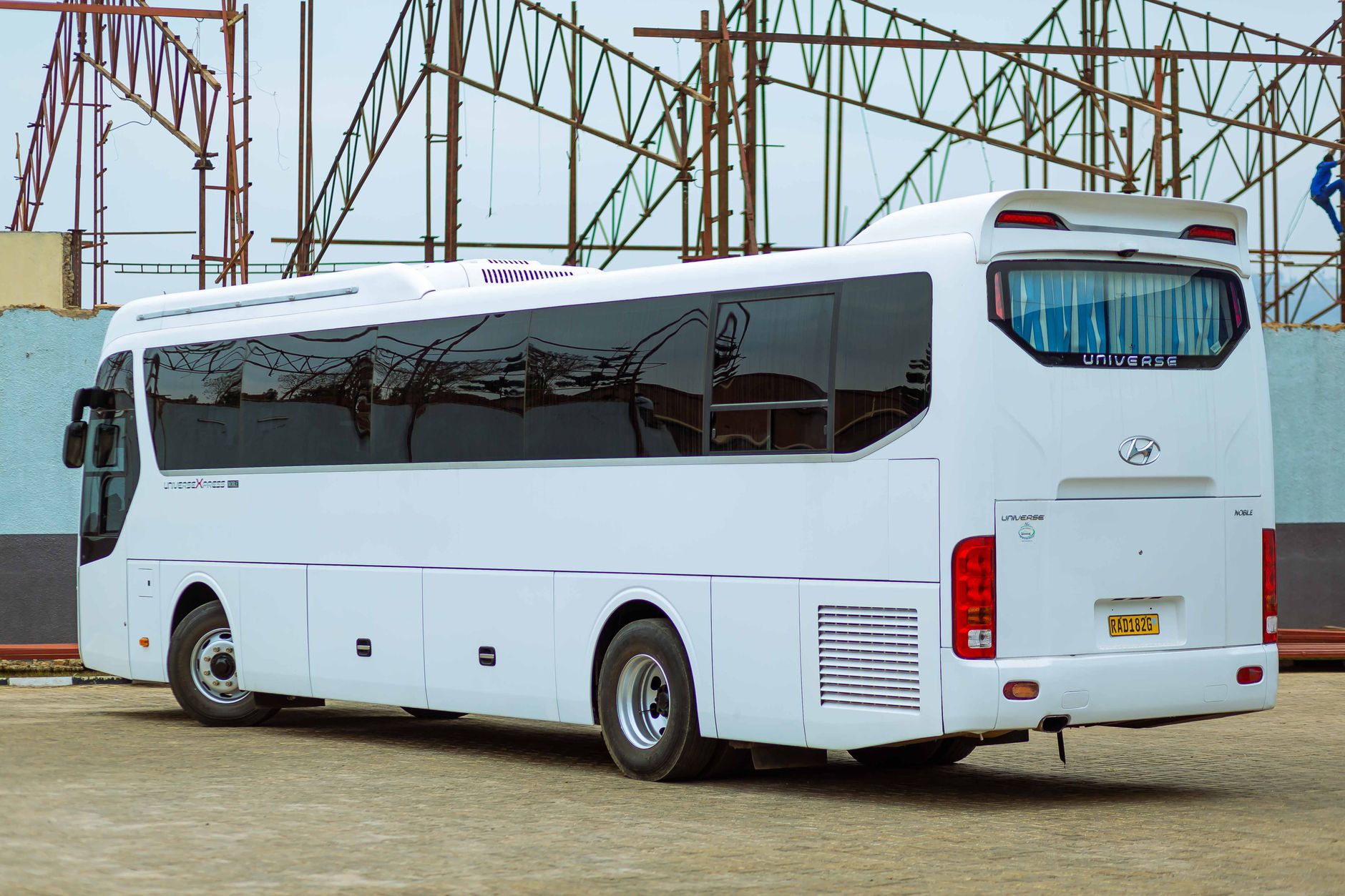
Choosing a vehicle for a mid-size group can feel like guesswork. Too small, and people are squeezed in with bags on their laps. Too big, and you pay for a coach full of empty seats. For groups of roughly 20 to 30 people, a 30-passenger bus often lands in exactly the right place, offering comfort and flexibility without the cost of a full-size coach.
How do you know it is the right fit for your trip? These six signs usually point the way.
1. Does Your Group Number Between 20 and 30?
Headcount is the first and clearest signal. A 30-passenger bus seats up to 30 people with reasonable legroom, which suits groups from about 20 to 28 riders especially well. That range leaves a few spare seats for late additions, a chaperone who joins at the last minute, or someone who needs extra space. Remember to count everyone riding along, such as a photographer, a guide, or a coordinator.
If your group sits right at 30, consider sizing up. A bus filled to the last seat leaves no room for flexibility, and one surprise addition could leave someone without a place to sit. If your group is closer to 15, a sprinter van or smaller minibus may be more economical.
2. Is Your Trip Local or Regional?
A 30-passenger bus is at its best on trips of up to two or three hours each way. That covers most corporate outings, school programs, wedding shuttles, church trips, and campus tours. Climate control and, on many models, reclining seats keep passengers comfortable over that distance. Plan a short stop every two hours or so, since most buses in this class have no restroom. Unlike a school bus rated for young children, a 30-passenger minibus seats adults comfortably, which suits mixed groups of students and staff.
For much longer journeys, a full-size coach with an onboard restroom and more luggage space may be the better choice. For short hops across town, the smaller footprint of a 30-passenger bus is a real advantage.
3. Are Your Destinations Hard to Reach With a Big Coach?
Many popular stops are not built for 45-foot coaches. Downtown hotel entrances, historic districts, wineries, small event venues, and campus streets can all be tight. A 30-passenger bus is short enough to navigate those spaces, pull closer to the door, and turn around without fuss. Ask each venue where buses should drop off, since many have a separate entrance for groups.
That easier access saves time at every stop. It also means guests or passengers walk less, which matters for weddings in formal wear, older travelers, and anyone carrying equipment.
4. Is Your Group Traveling Fairly Light?
Storage on a 30-passenger bus usually comes from overhead bins and a rear compartment rather than deep underfloor bays. That works well for day trips with backpacks, handbags, and small equipment. It is less suited to multi-day travel where every passenger brings a full suitcase. Sports teams with equipment bags and bands with instruments should take special care here.
Before booking, share a quick list of what your group is carrying. Groups considering a 30 passenger bus rental for mid-size groups can then confirm whether the rear storage will be enough, and the provider can suggest a larger vehicle if needed. Keeping the aisle clear matters for more than comfort, since federal bus safety rules require baggage to be stowed so that every passenger has unobstructed access to the exits.
5. Do You Want Comfort Without Paying for a Full Coach?
Cost is often the deciding factor. Based on 2026 averages published by a national charter booking network, 20 to 30 passenger minibuses typically rent for about $160 to $180 per hour, compared with about $200 to $250 per hour for a full-size motor coach. Both usually carry a five-hour minimum for local trips.
For a five-hour outing, that difference can add up to a few hundred dollars. Spread across 25 riders, a 30-passenger bus at $170 per hour works out to about $34 per person for the five-hour block. You still get climate control, comfortable seating, and often Wi-Fi and power outlets, without paying for 25 empty seats on a larger coach. Ask whether the quote includes tolls, parking, and gratuity so you compare the full cost, and consider traveling midweek or outside peak season if the budget is tight.
6. Do You Value Flexibility on the Day?
Smaller buses are easier to schedule, easier to park, and easier to redirect if plans change. For events with several short movements, such as a wedding with hotel loops or a corporate day with multiple meetings, that agility helps the day run smoothly.
Flexibility also shows up in booking. Many providers can arrange a 30-passenger bus with one to two weeks of notice on ordinary dates, and some allow itinerary changes up to 72 hours before departure. Busy seasons still call for earlier booking, especially in spring and fall. On the day, name one trip leader to speak with the driver, and keep the provider’s support line handy in case something changes.
When Does a Different Size Make More Sense?
If your group has more than 30 people, heavy luggage, or a journey longer than about three hours each way, a mini coach or full-size coach will likely serve you better. If your group is under 15, a sprinter van may be the smarter and cheaper choice.
Whatever you choose, confirm the basics before booking. Ask for the operator’s USDOT number and proof of insurance, and mention any accessibility needs early. Checking the operator’s safety rating in the federal Bus Safety Search tool takes only a few minutes. Charter operators may ask for up to 48 hours’ notice to provide a wheelchair-accessible vehicle, and lift-equipped buses need to be reserved specifically.
Making the Call
If most of these six signs describe your trip, a 30-passenger bus is likely the right pick, giving your group comfort, easy access, and fair pricing in one vehicle.
When you are ready to test that choice against real numbers, share your headcount, route, and date to request a free quote at ourbuscharters.com, and compare the 30-passenger option with the sizes on either side of it.